"Sanaenomics" Meets Geopolitical Strife: Why Japanese Yields are Bracing for a Steep Climb


The Japanese bond market is entering a period of renewed volatility as a "perfect storm" of domestic policy shifts and Middle Eastern geopolitical tensions pushes interest rates toward new highs. According to a fresh analysis from Sony Financial Group, the era of low rates is facing its most significant challenge yet, with the 10-year JGB yield recently breaching the 2.3% mark.
The Return of "Sanaenomics"
After a temporary dip following the February general election, Japanese yields have pivoted sharply upward. Financial reporters and analysts are pointing to the resurgence of "Sanaenomics"—the high-pressure economic framework championed by Prime Minister Takaichi.
Market sentiment shifted following a February 16 meeting between the Prime Minister and BoJ Governor Ueda. While the PM initially expressed reluctance toward further rate hikes, the appointment of two prominent reflationary scholars—Asada and Sato—to the Bank of Japan’s policy board has signaled to investors that the government remains committed to an aggressive fiscal-monetary mix. This has effectively put a floor under long-term inflation expectations.
Geopolitical Shocks and the "Imported Inflation" Threat
The primary catalyst for the most recent surge, however, lies far beyond Tokyo. The late-February military strikes between the U.S., Israel, and Iran have fundamentally altered the bond market environment.
The conflict has triggered a spike in crude oil prices, which in turn is exacerbating Japan’s trade deficit and fueling yen-weakness. For the BoJ, this creates a nightmare scenario: "cost-push" inflation that dampens consumer sentiment while forcing the central bank’s hand to defend the currency. Analysts warn that if the yen continues to slide, the risk of stagflation—a combination of stagnant growth and high inflation—could become the "worst-case scenario" the BoJ is desperate to avoid.
A Hawkish Pivot at the Bank of Japan
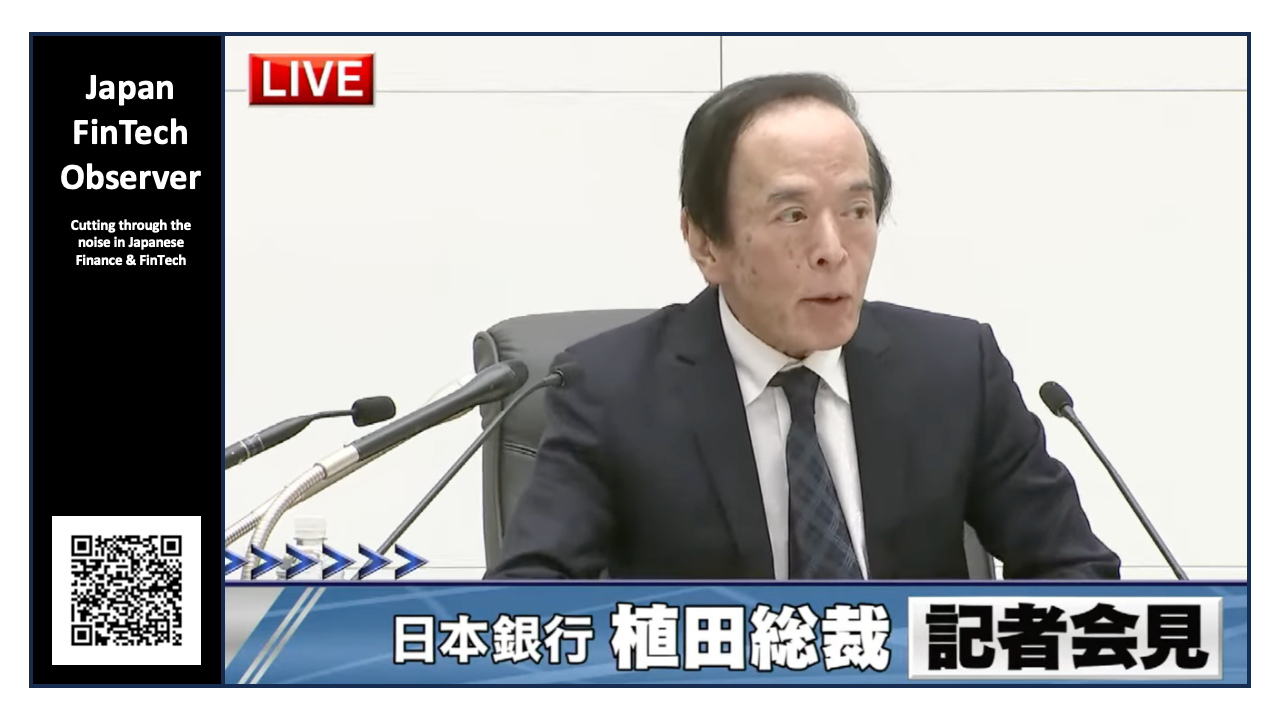
While the Bank of Japan held rates steady during its March 18–19 meeting, the tone was decidedly hawkish. Governor Ueda emphasized that inflation upside risks are now at the forefront of the board’s discussions. Market participants have responded by pulling forward their expectations; while a rate hike is widely anticipated for June, the April meeting is now considered "live."
Sony Financial Group’s Senior Economist, Takayuki Miyajima, notes that corporate Japan is behaving differently than in previous decades. Unlike the deflationary era, companies are now more willing to pass on rising costs to consumers, which may prevent a deep recession but will likely keep inflation sticky.
The Outlook: A Steeper Yield Curve
The forecast for Japanese rates remains bullish. Sony Financial projects that the 10-year JGB yield will climb steadily, potentially reaching 2.43% by early 2027.
The analysis suggests a "heads I win, tails you lose" scenario for yields:
- If the BoJ hikes early: Short-term rates will drag the long-end higher.
- If the BoJ waits: Fears of a falling yen and rising inflation expectations will drive the long-end up regardless, leading to a significant steepening of the yield curve.
For investors, the message is clear: the "Sanaenomics" era, coupled with an unstable Middle East, has effectively ended the period of Japanese interest rate stability. All eyes now turn to the April policy meeting to see if the BoJ will pull the trigger on a preemptive strike against the falling yen.
Key Data Projections (Sony Financial Group):
- Policy Rate: Expected to rise from 0.75% (current) to 1.25% by Q1 2027.
- 10-Year JGB Yield: Projected to hit 2.43% by Q1 2027.
- 40-Year JGB Yield: Expected to remain elevated around 3.74%, though it may peak out as government issuance decreases.
- Core CPI: Forecasted to hover around 1.9% to 2.1% through 2026.
 Norbert Gehrke