Japan’s GPIF Focus Shifts to Portfolio Rebalance as Central Bank Decisions Pass


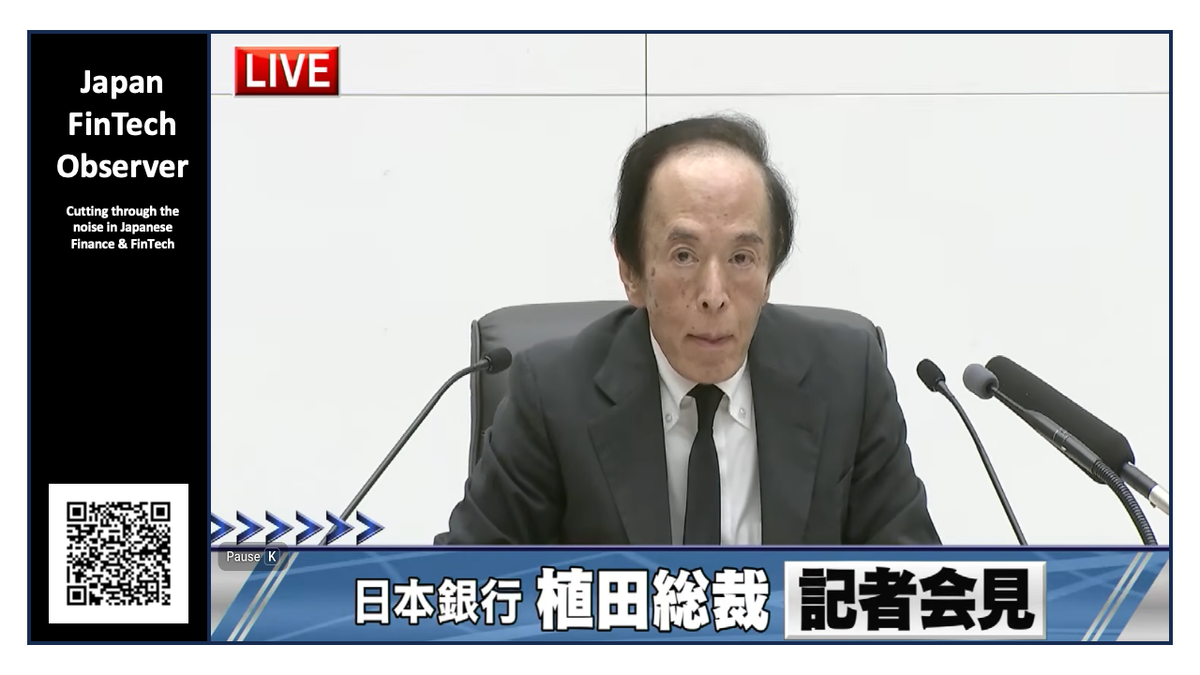
Following major policy meetings by the Federal Reserve and the Bank of Japan, market attention in Tokyo is refocusing on the Government Pension Investment Fund (GPIF) and the potential review of its fundamental asset allocation.
According to a recent report by the Daiwa Research Institute, key developments and upcoming milestones regarding the world’s largest pension fund include:
- Board Meeting Agenda Expectations: The GPIF board typically publishes its meeting agendas roughly six business days after convening. An agenda release by early October is expected to clarify whether the board deliberated on a basic portfolio review during its late-September session.
- Second-Quarter Portfolio Indications: Results for the second fiscal quarter of 2026, scheduled for release on November 6, will offer clues on tactical shifts. Significant deviations from the standard target allocation—excluding reserves managed under the Pension Special Account—would suggest rebalancing in anticipation of an official policy revision.
- Constraints on Model Portfolio Adjustments: Under current governance rules, GPIF’s baseline target allocation across domestic bonds, foreign bonds, domestic equities, and foreign equities stands at 25% each. Minor target shifts remain within the fund's discretion, but substantial revisions beyond the model portfolio’s central range (such as raising domestic bonds above 31%) require consensus among three public mutual aid associations.
- Impact of Wage Inflation on Target Yields: Although rising yields on 10-year Japanese Government Bonds (JGBs)—recently topping 3%—have heightened expectations for increased domestic bond allocation, GPIF's mandate focuses on real investment returns. Because rising nominal wages increase the required nominal return target (set at 1.9% above nominal wage growth for the current mid-term plan), higher nominal bond yields do not automatically make JGBs more attractive on a risk-adjusted real basis.
- Market Impact vs. FX Interventions: Unlike direct foreign exchange interventions intended to force market movements, GPIF executes portfolio realignments strictly to minimize market friction. Any supply-demand impact resulting from a portfolio adjustment would likely be transitory.
The Bank of Japan’s Transition to Inflation Stabilization at the September MPM
For over two decades, the Bank of Japan (BoJ) existed in a state of perpetual emergency. Since the late 1990s, the institution was defined by its “reflationary” mission—a singular, often desperate struggle to extricate the Japanese economy from a debilitating deflationary trap. This era was characterized by unconventional tools:
 Norbert Gehrke