Krungsri Completes Full Acquisition of Vietnam’s SFinance in USD 153m Consumer Credit Push

Bank of Ayudhya (Krungsri), Thailand’s fifth-largest commercial lender by assets and a consolidated operating unit of Mitsubishi UFJ Financial Group (MUFG), has completed the buyout of the remaining 50% charter capital in SFinance Consumer Credit. The transaction marks the execution of an agreement established on August 25, 2021, between Krungsri and Saigon-Hanoi Commercial Joint Stock Bank (SHB) to acquire full ownership of the Vietnamese consumer credit provider in two equal tranches.
Following the transfer of the first 50% equity stake in May 2023, the formal closing of the second tranche on October 15, 2026, transfers 100% of the company's equity capital and operational control to the Bangkok-based lender. Coinciding with the transaction close, the business has completed its corporate rebranding, transitioning from SHBank Finance Company to SFinance Consumer Credit Finance Company to trade under its new identity.
The acquisition concluded following approvals from the State Bank of Vietnam (SBV) and the Japanese Financial Services Agency (FSA). The deal values the whole of SFinance’s equity capital at approximately VND 3.59trn (USD 153.12m). The deal's financial architecture distributed consideration across a multi-year execution framework, structured to allow operational assimilation and joint governance between Krungsri and SHB before full absorption.
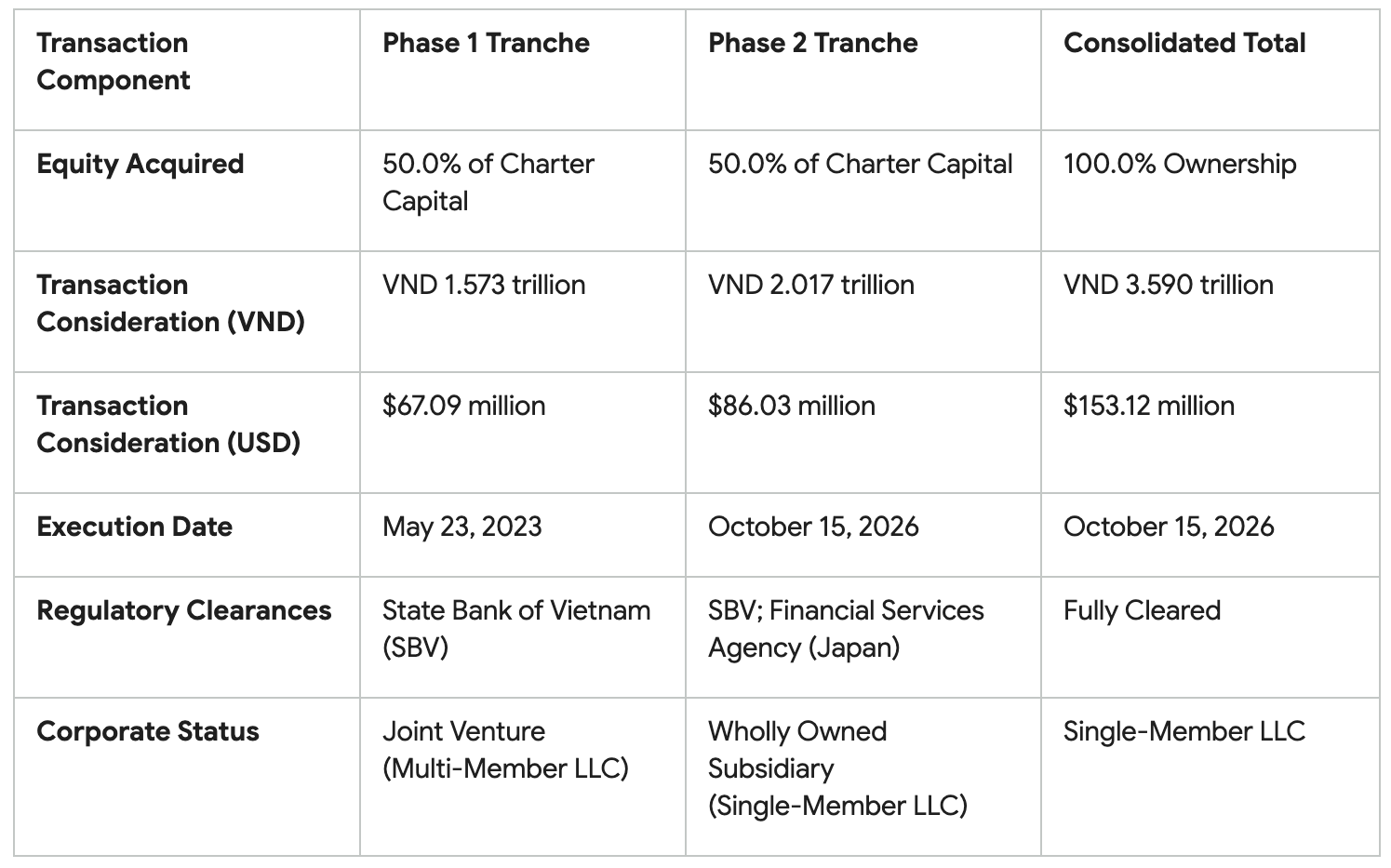
The valuation represents an acquisition multiple of nearly 3.6 times SFinance's paid-in charter capital of VND 1trn. This valuation reflects the scarcity value of Vietnamese non-bank finance licenses, alongside SFinance's distribution reach across urban and provincial consumer markets.
Asset Profile and Market Standing of SFinance
SFinance traces its origins to SHB’s 2016 corporate restructuring and regulatory absorption of Vinaconex-Viettel Joint Stock Finance Company (VVF), which established SHB's standalone consumer finance arm. Since launching commercial consumer lending under its dedicated charter in 2018, the institution has extended credit to mass-market and lower-middle-income retail segments, establishing an active customer franchise exceeding one million borrowers.
Operating in a competitive sector historically led by FE Credit, Home Credit, and HD Saison, SFinance maintained a position among the country’s top eight mainstream non-bank credit institutions. The lender's product mix centers on unsecured consumer cash loans, merchant-partnered point-of-sale financing for motor vehicles and consumer durables, and co-branded credit cards.
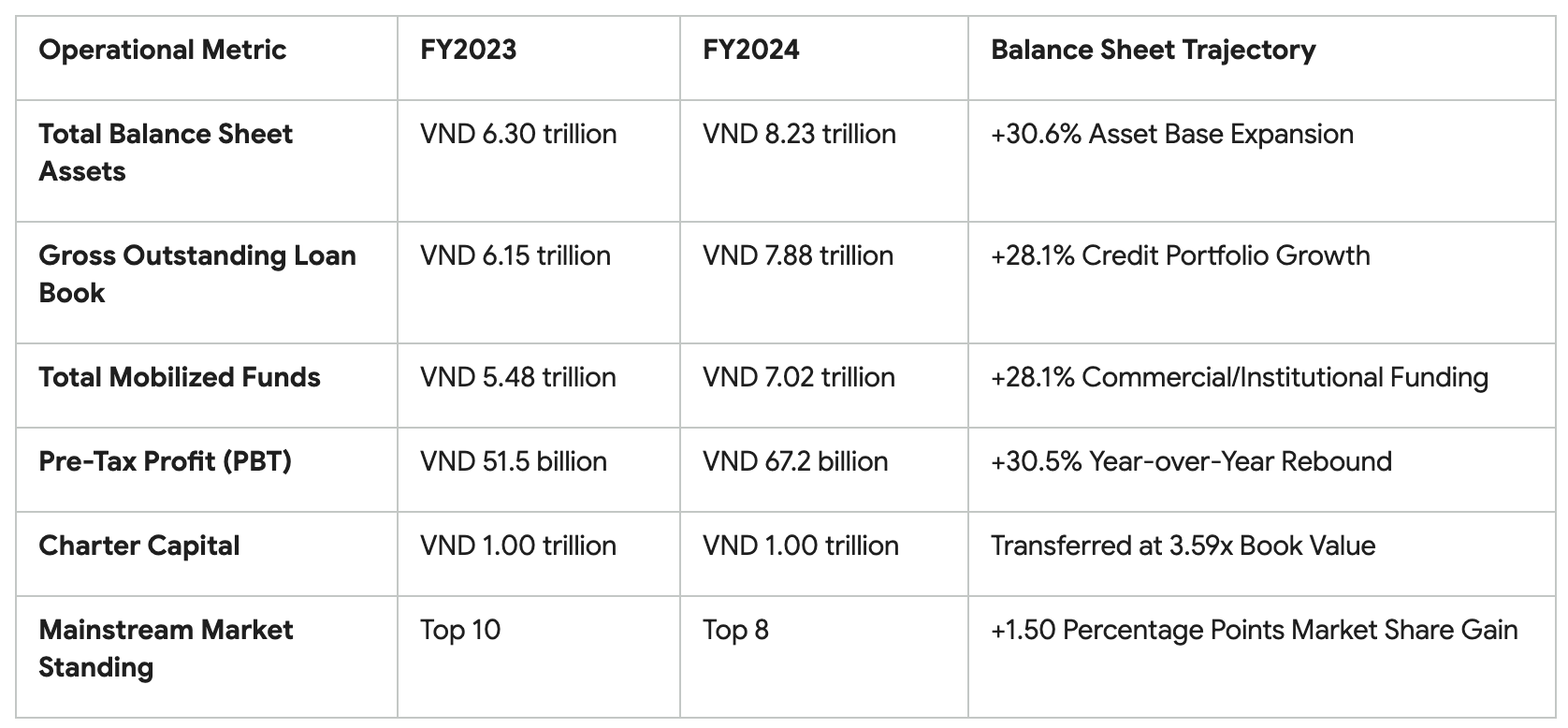
Between 2023 and 2025, SFinance adapted its underwriting scorecards, risk assessment systems, and compliance frameworks to match Krungsri’s regional operating standards. These procedural changes supported an asset expansion toward VND 8.23trn and helped lift pre-tax earnings VND 67.2bn, even as higher funding costs and loan-loss provisions challenged the broader consumer lending sector.
Strategic Drivers for MUFG and Krungsri’s Mekong Network
For Krungsri and its parent entity MUFG, which acquired a controlling 76.8% stake in the Thai bank in December 2013, taking full ownership of SFinance is a central component of its long-term regional strategy, "GO ASEAN with Krungsri". Faced with mature demographics, high household indebtedness, and compressed corporate lending yields in Thailand, Krungsri has deployed balance sheet capital into higher-margin retail credit markets across Southeast Asia.
The strategic pivot to regional consumer lending has generated wider asset margins across Krungsri's consolidated group accounts. Supported by retail loan assets from across its ASEAN holdings, Krungsri's consolidated net interest margin (NIM) held between 4.60% and 4.71% through 2025 and 2026, offsetting margin compression within its domestic commercial credit portfolio.
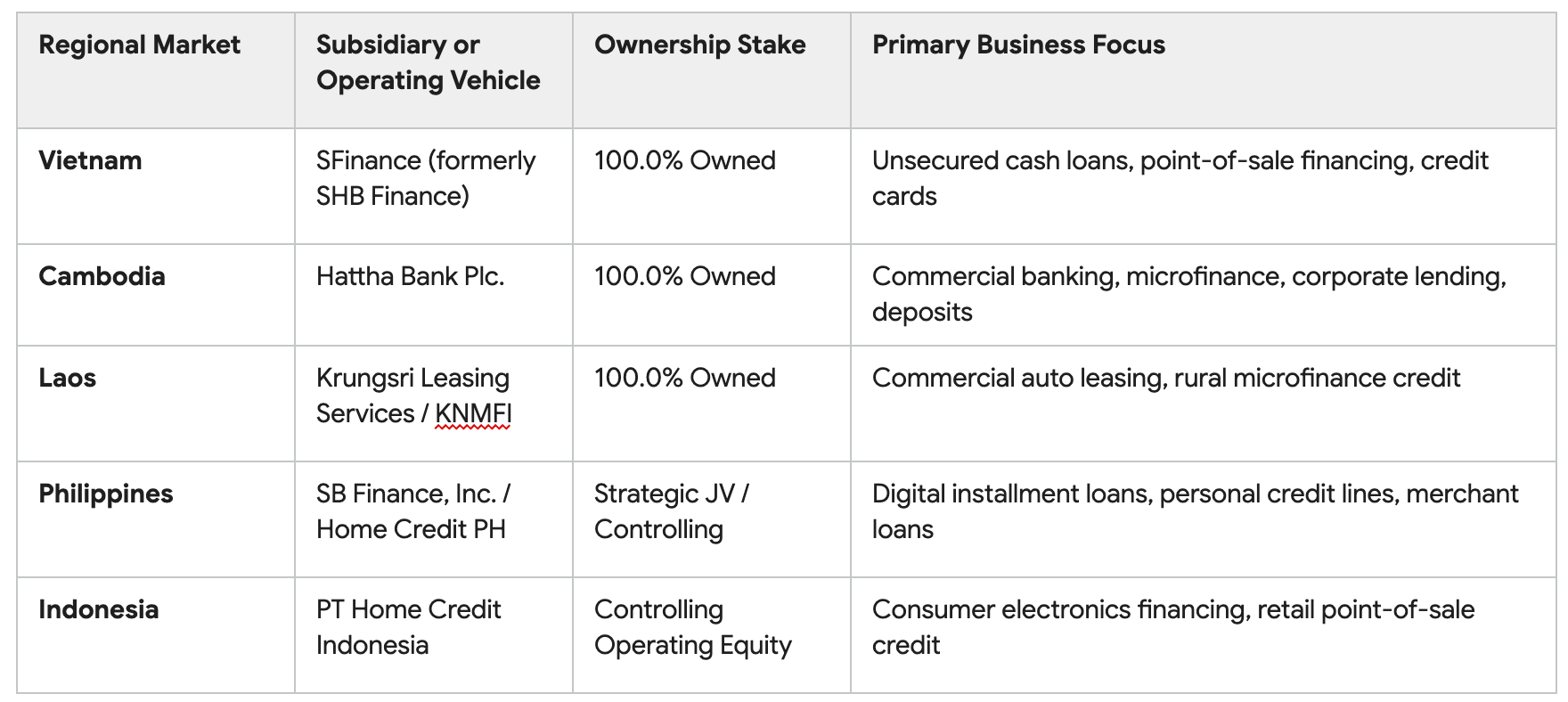
The integration of SFinance connects MUFG's low-cost wholesale funding base with Krungsri’s underwriting experience in retail unsecured lending and auto financing. By deploying automated credit algorithms and mobile distribution systems across Vietnam, Krungsri aims to capture market share within the country's working-age demographic, which is benefiting from wage growth and rising consumer spending.
Capital and Balance Sheet Implications for SHB
For Saigon-Hanoi Bank, completing the divestment realizes a substantial non-interest capital surplus, while helping optimize the bank's risk-weighted asset profile. Because SHB established the subsidiary on a historical paid-in charter capital base VND 1trn, the full transaction value of VND 3.59trn generates a cumulative gross pre-tax capital gain of VND 2.59trn across both sale phases.
The financial gains from the divestment provide flexibility across SHB’s balance sheet. Removing an unsecured, capital-intensive retail credit portfolio lowers consolidated risk-weighted assets (RWA), which reinforces SHB's Tier 1 leverage ratio and supports a Capital Adequacy Ratio (CAR) above 11.5%, in line with Basel II standards and ongoing Basel III preparations.
At the same time, the sale helps insulate SHB from asset-quality volatility in the consumer lending sector, where loan-loss provisions increased following the expiration of Circular 02 restructuring terms. The capital unlocked from the sale has been reallocated into digital banking infrastructure—notably the bank's SHB SAHA retail platform—and corporate loan growth in trade finance, industrial manufacturing, and large-scale infrastructure projects.
Regulatory Modernization and Market Entry Realities
The final execution of the transaction takes place as Vietnam updates its financial regulatory environment through the full enforcement of the Law on Credit Institutions 2024 (Law No. 32/2024/QH15). The legislation establishes stricter risk management standards designed to limit concentration risks, enhance market transparency, and safeguard consumer rights across non-bank lending institutions.
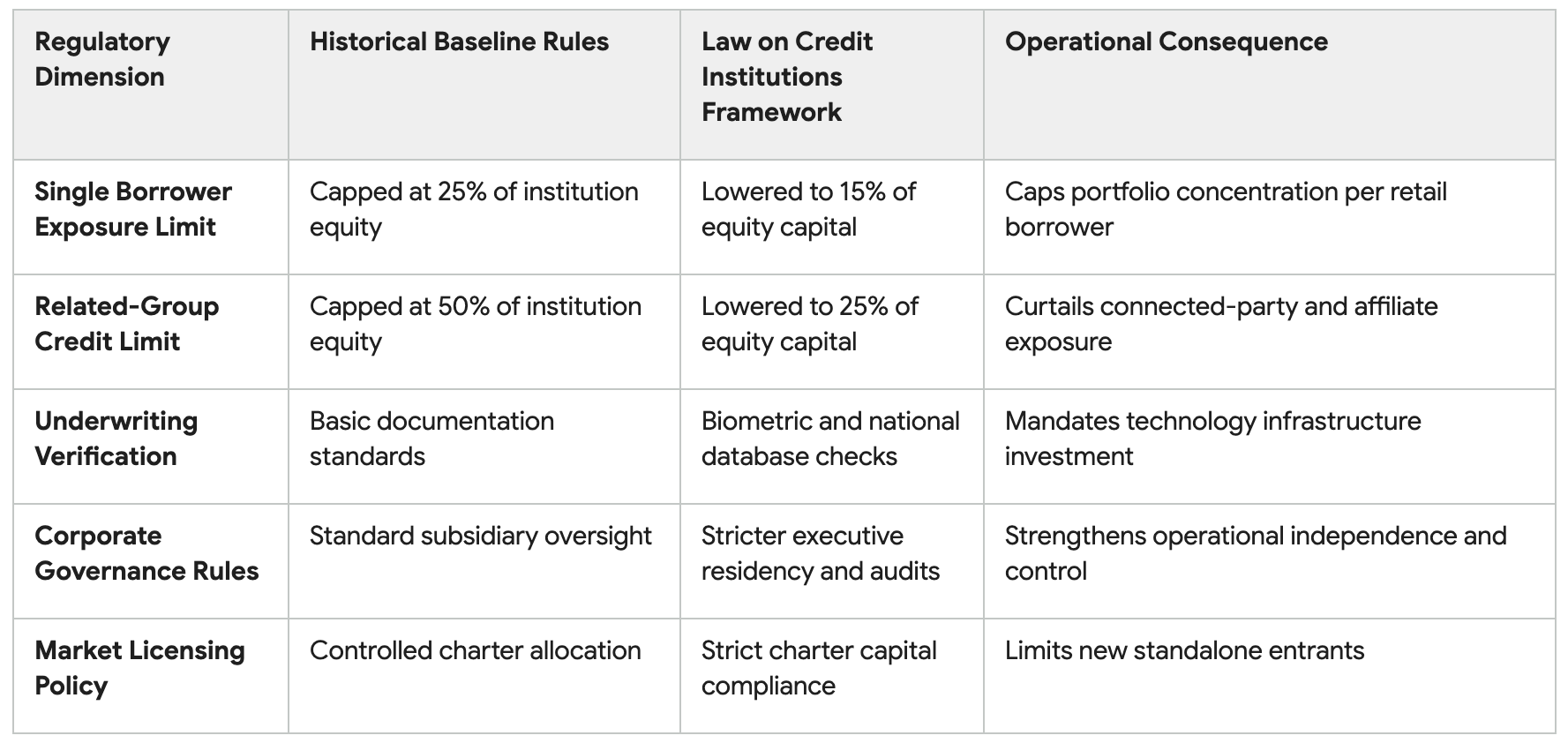
These higher regulatory thresholds have accelerated consolidation among non-bank finance companies. Because the State Bank of Vietnam exercises discretion over new operating licenses, foreign banks seeking to enter Vietnam's consumer credit market have relied almost exclusively on phased equity acquisitions of established domestic platforms.
Krungsri's complete takeover of SFinance positions the institution alongside other major Japanese-backed non-bank transactions in Vietnam, including Sumitomo Mitsui Financial Group's 49% stake in VPBank SMBC Finance (FE Credit) and Shinsei Bank’s joint venture with Military Commercial Joint Stock Bank in Mcredit.
Institutional Trajectory and Industry Outlook
Operating as a wholly owned subsidiary of Krungsri, SFinance plans to expand its personal credit products, rollout point-of-sale digital loans, and build out its payment card services by connecting directly to Krungsri's regional core banking systems. Access to parent-backed wholesale funding is expected to reduce the company's funding costs compared to domestic non-bank competitors, giving it pricing flexibility in personal loan and point-of-sale markets.
At the same time, Saigon-Hanoi Bank concludes its multi-year divestment program, leaving the institution with an unencumbered corporate structure, lower asset-quality risks in consumer credit, and a larger capital surplus. The transaction illustrates an ongoing trend across Southeast Asian finance: foreign-backed regional banking groups are consolidating multi-market retail operations across ASEAN, deploying cross-border capital to capture long-term consumer demand in emerging markets.
 Norbert Gehrke