The JSDA Blueprint to Unlocking Household Wealth

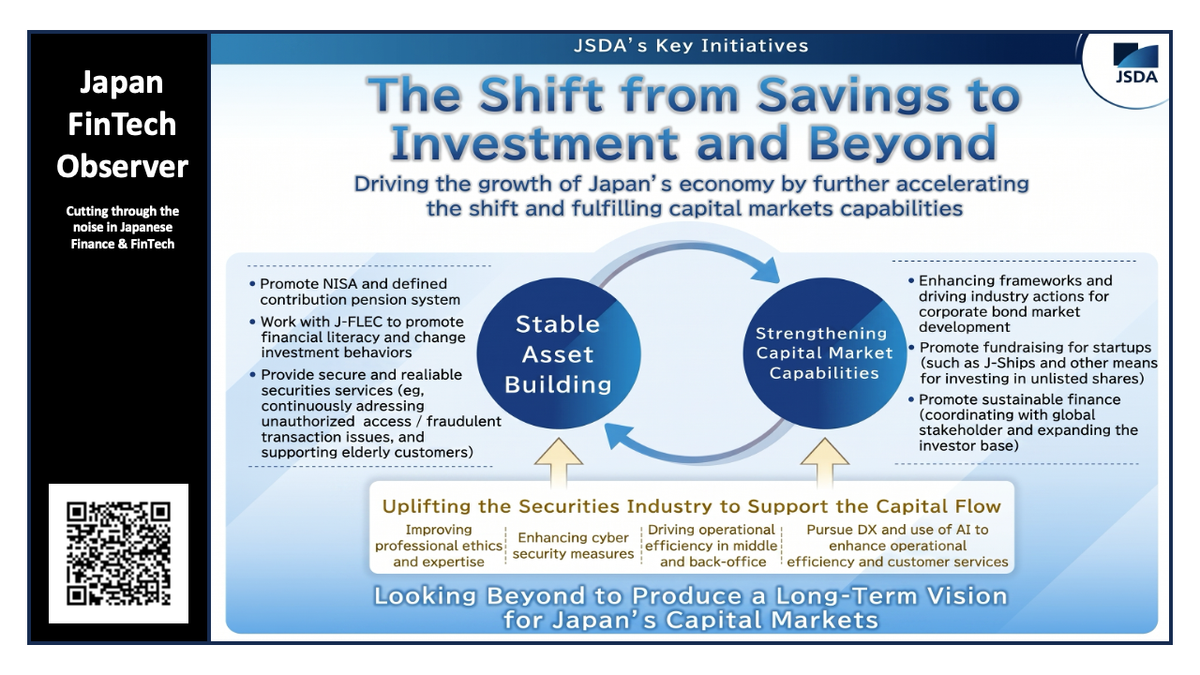
Faced with a demographic cliff and the urgency of a "savings-to-investment" transition, the Japan Securities Dealers Association's 2026–2027 Strategic Roadmap targets the mobilization of Japan’s ¥2,000 trillion in household assets to fuel a high-functioning capital hub. By synchronizing retail participation with aggressive market modernization and enhanced professional integrity, the JSDA aims to secure Japan’s economic future against intensifying global competition for capital.
The Retail Revolution: Mobilizing Stagnant Trillions
The cornerstone of the 2026–2027 mandate is the conversion of Japan’s massive pool of stagnant savings into active growth capital. This is an economic necessity; as the workforce shrinks, the nation must rely on asset formation to maintain its standard of living. The JSDA is moving to lower barriers through the NISA and J-FLEC nexus, focusing on the following strategic pillars:
- NISA and Pension Optimization: Driving NISA adoption through data-driven promotional campaigns while advocating for the expansion of Corporate DC and iDeCo systems.
- Fiscal and Intergenerational Tools: To address Japan’s unique wealth concentration among the elderly, the JSDA is prioritizing the "Family Support Securities Account" and advocating for inheritance tax incentives on listed stocks to facilitate wealth transfer to younger generations.
- Tax System Modernization: A critical policy target for this period is the advocacy for the aggregation of profits and losses between cash and derivatives transactions—a move designed to entice more sophisticated retail participation.
- Behavioral Shifts and Education: Building on the foundations set by the Japan Financial Literacy and Education Corporation (J-FLEC), the JSDA is pushing for the expansion of asset-building content in the National Curriculum Standards. This is paired with strategic public awareness campaigns, leveraging cultural touchpoints such as "Securities Investment Day" (October 4th) and the "Toshi-kun" mascot to normalize investment behavior across all age groups.
These systemic refinements are intended to reduce the traditional friction of the Japanese market, ensuring that capital is not merely sitting in low-yield accounts but is directed toward the nation’s growth sectors.
Intermediary Integrity: Beyond Formal Compliance
As the retail investor base expands, the JSDA recognizes that market trust is a fragile commodity. The roadmap transitions the industry away from "box-ticking" compliance toward a culture of customer-oriented business conduct. This includes a rigorous focus on the "fraud triangle"—the intersection of pressure, opportunity, and rationalization. Notably, the JSDA is targeting the "rationalization" of insider trading specifically among executives, signaling that ethical accountability begins in the C-suite.
To bolster this, the Association has refined its oversight model:
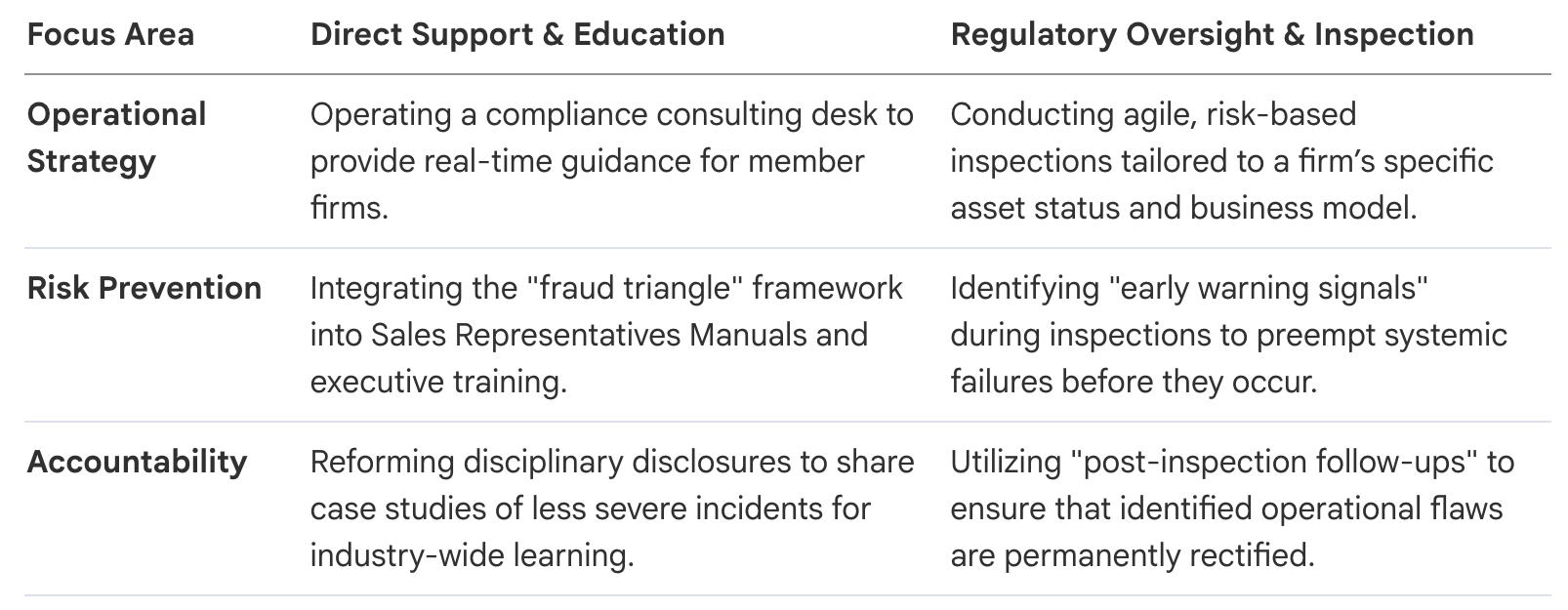
This dual approach ensures that as the industry scales, it does so with a heightened sense of professional ethics that builds long-term credibility with first-time investors.
Infrastructure and the 2040 Vision: Funding the Next Frontier
To sustain a modern investment economy, the JSDA is looking toward a twenty-year horizon. The "Study Group on the Vision for Japan's Financial and Capital Markets toward 2040" has been tasked with a vital mission: integrating asset management and market financing. This integration is designed to create a feedback loop where retail capital directly funds domestic innovation rather than leaking into passive overseas instruments.
Foundational elements of this modernization include:
- T+1 Settlement: Gathering intelligence to align Japan with the T+1 settlement cycles of major global markets, building on the internet transaction guidelines revised in late 2025.
- Growth Capital for Startups: Developing unlisted share trading frameworks (including J-Ships) to provide critical liquidity to the startup ecosystem.
- Corporate Bond Revitalization: Streamlining market practices and reporting systems to ensure smooth issuance and higher liquidity in the debt markets.
- Digital Asset Integration: Tracking the evolution of stablecoins, CBDCs, and blockchain-based securities to attract growth capital for the next generation of digital-first enterprises.
Global Outreach and the Sustainable Finance Advantage
The JSDA’s domestic goals are increasingly tied to its ability to project influence abroad. Japan is positioning itself as the regional leader in "Transition Finance" for Asia. While other hubs focus on "Pure Green" finance, the JSDA—through partnerships with the Asia Securities Forum (ASF) and the International Capital Market Association (ICMA)—is championing the use of transition bonds to fund the gradual decarbonization of industrial economies.
Following the publication of the 2025 Transition Bond guidelines, the 2026–2027 roadmap emphasizes:
- Global Standard Alignment: Participating in IOSCO-led deliberations to ensure Japanese markets meet international sustainability disclosure standards.
- Strategic Summits: Leveraging "Japan Securities Summits" to brief global institutional investors on the structural shifts within the Japanese market.
- Regional Collaboration: Leading the ASF to address shared regulatory challenges across Asian capital markets.
Operational Evolution: The Secretariat as a Digital Model
The JSDA is not merely regulating a digital transition; it is undergoing one. The "Secretariat evolution" involves the deployment of Robotic Process Automation (RPA) and Generative AI within the JSDA’s own administrative framework. This internal transformation serves as a metaphorical and practical blueprint for its member firms, demonstrating how technology can drive efficiency and cyber resilience.
Furthermore, the Association is anchoring its technical evolution in social responsibility. By supporting economically vulnerable youth through NPO partnerships and promoting work-life balance (addressing childcare and medical treatment) within the industry, the JSDA is positioning the securities sector as an attractive, modern career path for top-tier talent.
Strategic Summary
The JSDA’s 2026–2027 plan represents a fundamental shift in Japan's economic DNA. By bridging the gap between massive household savings and the capital needs of a 21st-century economy, the Association is laying the groundwork for a more resilient, dynamic, and globally connected Japan.
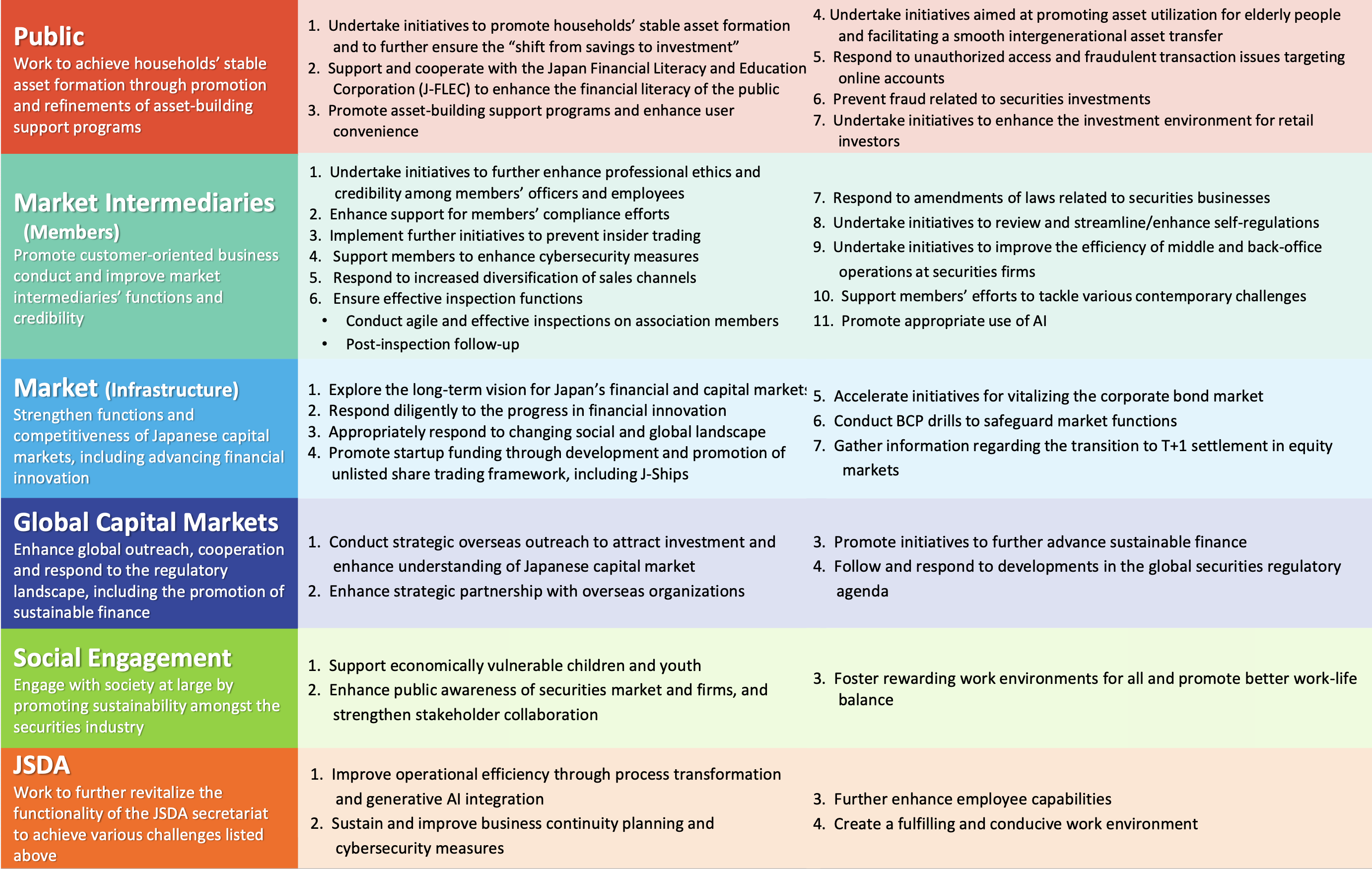
Final Takeaway
- Reliability: Rebuilding market trust through executive-level "fraud triangle" training, enhanced cyber resilience, and the prevention of unauthorized access in internet transactions.
- Innovation: Modernizing the back office and infrastructure through T+1 settlement, AI integration, and the integration of asset management with market financing.
- Global Connectivity: Positioning Japan as the Asian hub for Transition Finance and aligning with global regulatory standards to attract institutional capital.
 Norbert Gehrke