Kaia Network Integrates Yen-Pegged JPYC, Targeting Broad Digital Finance Expansion in Asia

The Kaia DLT Foundation has announced that JPYC, a Japanese yen-pegged stablecoin issued by JPYC Inc., has officially launched on the Kaia blockchain.
The integration comes approximately seven months after JPYC obtained its Japanese fund transfer license and initiated its first issuance in August 2025. According to the companies, the partnership is designed to accelerate diverse digital finance use cases across Asia, including cross-border remittances, settlements, and on-chain financial services.
Targeting the Asian Market By integrating with Kaia - an EVM-compatible Layer 1 blockchain formed through the merger of Kakao’s "Klaytn" and LINE’s "Finschia" - JPYC aims to significantly expand user access and secure global liquidity. The strategic focus is heavily placed on regions showing increased demand for yen-pegged stablecoins, specifically South Korea, Indonesia, Thailand, and Taiwan.
Kaia leverages a combined ecosystem of over 250 million users from the LINE and Kakao messaging platforms. The network is characterized by rapid transaction finality and "Gas Delegation," a feature designed to create a more user-friendly experience by subsidizing network fees.
The integration aligns with Kaia's broader push into Web3 financial infrastructure. Recently, the Kaia DLT Foundation partnered with UK-based Simsan Ventures to launch a venture fund targeting investments in payments, clearing, foreign exchange (FX), and Real-World Asset (RWA) tokenization, utilizing Kaia as its foundational blockchain.
JPYC Reports Steady Growth and Updates Issuance Limits
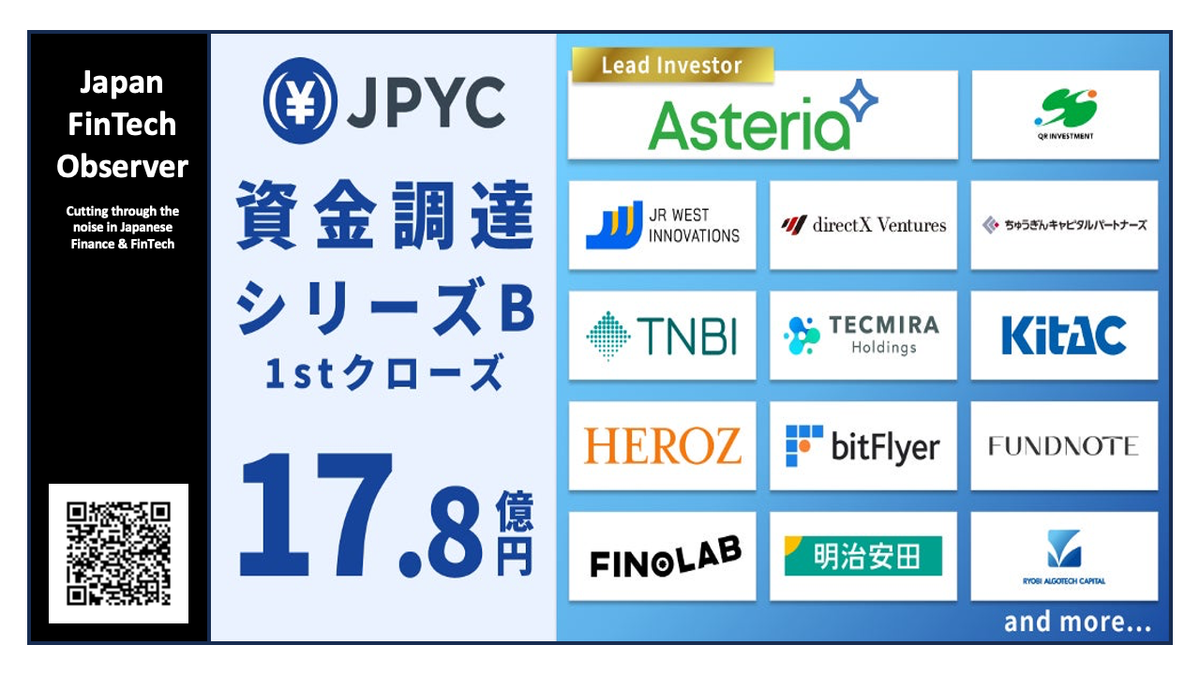
JPYC Inc., which operates as a licensed fund transfer service in Japan, reported continued expansion following its Series B funding round. As of May 2026, the company noted it had surpassed 18,000 active accounts, with cumulative issuance reaching 2.5 billion yen and total trading volume exceeding 35 billion yen.
In tandem with the Kaia launch, JPYC updated its issuance limits on the JPYC EX platform. The previous cap of "1 million yen per day" has been adjusted to "1 million yen per transaction." The company noted that successive short-term issuance requests will remain restricted to prevent fraud and ensure compliance with the Payment Services Act.
Executive Commentary
Noritaka Okabe, CEO of JPYC Inc., highlighted the strategic value of the integration. "The overwhelming user touchpoints provided by LINE and Kakao, combined with Kaia's high-speed transaction performance, are essential for the daily use of stablecoins," Okabe stated. He added that the company is fully committed to building practical Web3 financial infrastructure for cross-border payments and RWA utilization across Asia.
Seo Sangmin, Chairman of the Kaia DLT Foundation, echoed the sentiment: "We are highly encouraged that JPYC, backed by the Japanese yen—one of the world's major reserve currencies—is onboarding into the Kaia ecosystem. We will aggressively pursue this collaboration to stimulate on-chain settlements and digital asset services."
Technical Rollout
For developers, JPYC has made test tokens available via the "JPYC Faucet" on Kaia's "Kairos" testnet, allowing businesses to verify basic functions such as balance inquiries, remittances, and receipts prior to deploying real capital.
The mainnet integration allows for the issuance, redemption, and wallet address registration of JPYC directly on the Kaia chain.
The JPYC Dashboard has been integrated into Dune's analytics for a real-time view of issuance volume and holding addresses.
Also, as a consequence of the JPYC availability on Kaia, LINE NEXT’s stablecoin wallet service Unifi will add JPYC as it moves to expand payment, remittance and rewards functions. Unifi will officially support JPYC on the platform starting May 22. Users will be able to store JPYC within Unifi without installing a separate application. Payment, transfer and rewards features will also be added later.
LINE NEXT launched Unifi in February as a stablecoin-based wallet service. It offers a range of financial services, including yield features tied to stablecoin holdings, along with payments, remittances and rewards.
 Norbert Gehrke